Choosing bathroom decor is more than aesthetics; it's about creating a space that feels calming yet functional. A well-planned decor scheme reflects your taste and supports daily routines, while also adding value to your home. In this guide, we share practical, expert-backed ideas to help you select colors, materials, lighting, and layouts that work for real bathrooms, from compact powder rooms to generous master baths.
Define your style
Start by identifying a core style: modern, traditional, minimalist, coastal, or rustic. This decision grounds all other choices and ensures a cohesive look. If you’re unsure, collect a small set of inspiration images and extract recurring elements—clean lines for modern, soft curves for traditional, natural textures for rustic.
Popular bathroom decor styles
- Modern: streamlined fixtures, neutral palettes, high-contrast accents.
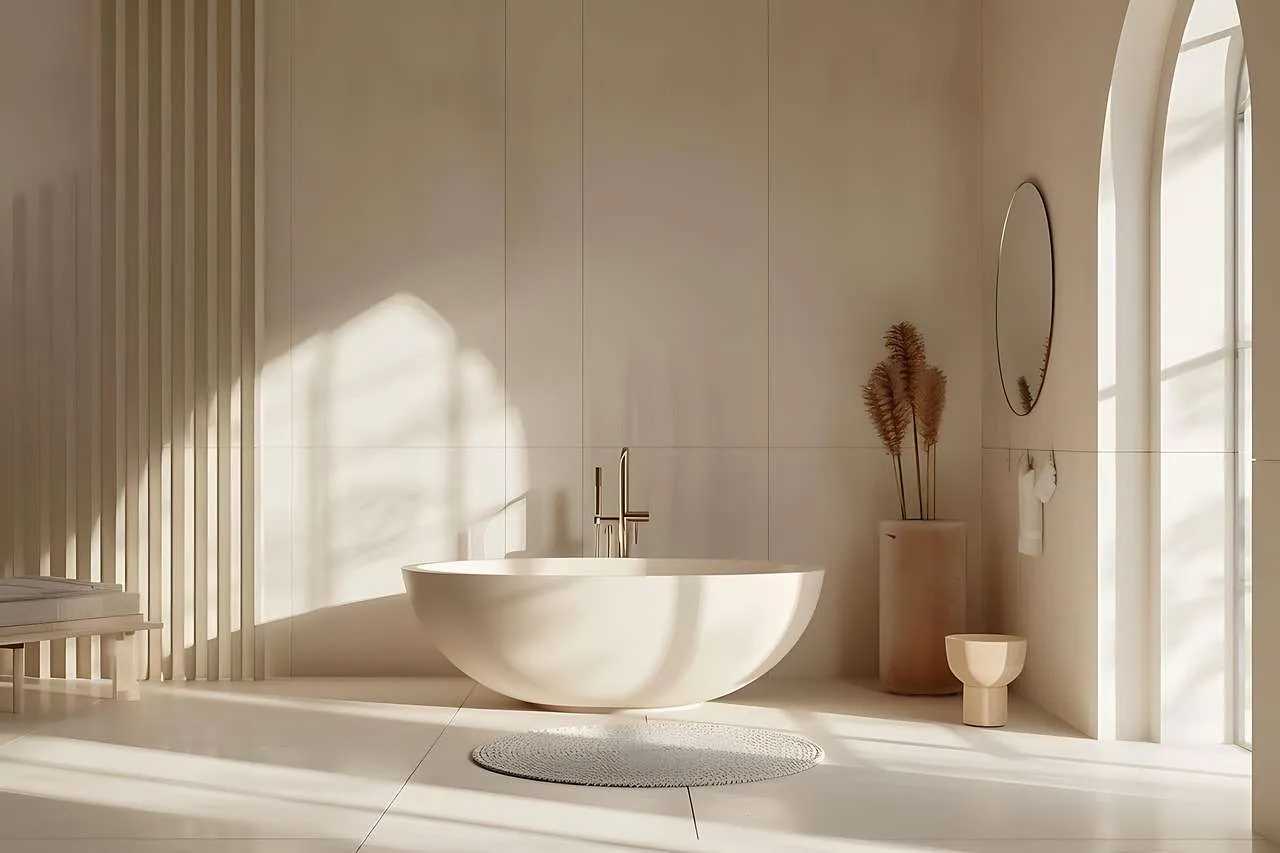
- Minimalist: clutter-free surfaces, concealed storage, monochrome or muted tones.
- Rustic: warm woods, stone textures, earthy hues.
- Classic/Timeless: subway tiles, brass or nickel finishes, balanced symmetry.
Color palettes and materials
Color sets the mood. Light neutrals such as alabaster, taupe, and cool whites make small spaces feel larger, while soft blues or greens evoke spa-like serenity. In larger baths, bolder accents can create personality without overpowering the room. When selecting materials, prioritize durability and moisture resistance. Porcelain, ceramic, and natural stone are common for floors and surrounds; quartz countertops resist stains better than marble in daily use.
Texture and contrast
Combine textures to add depth: matte finishes on walls, glossy fixtures, tactile tiles, and natural wood accents. A flat panel vanity with a natural wood veneer paired with a honed countertop can balance softness and structure.
Layout and space planning
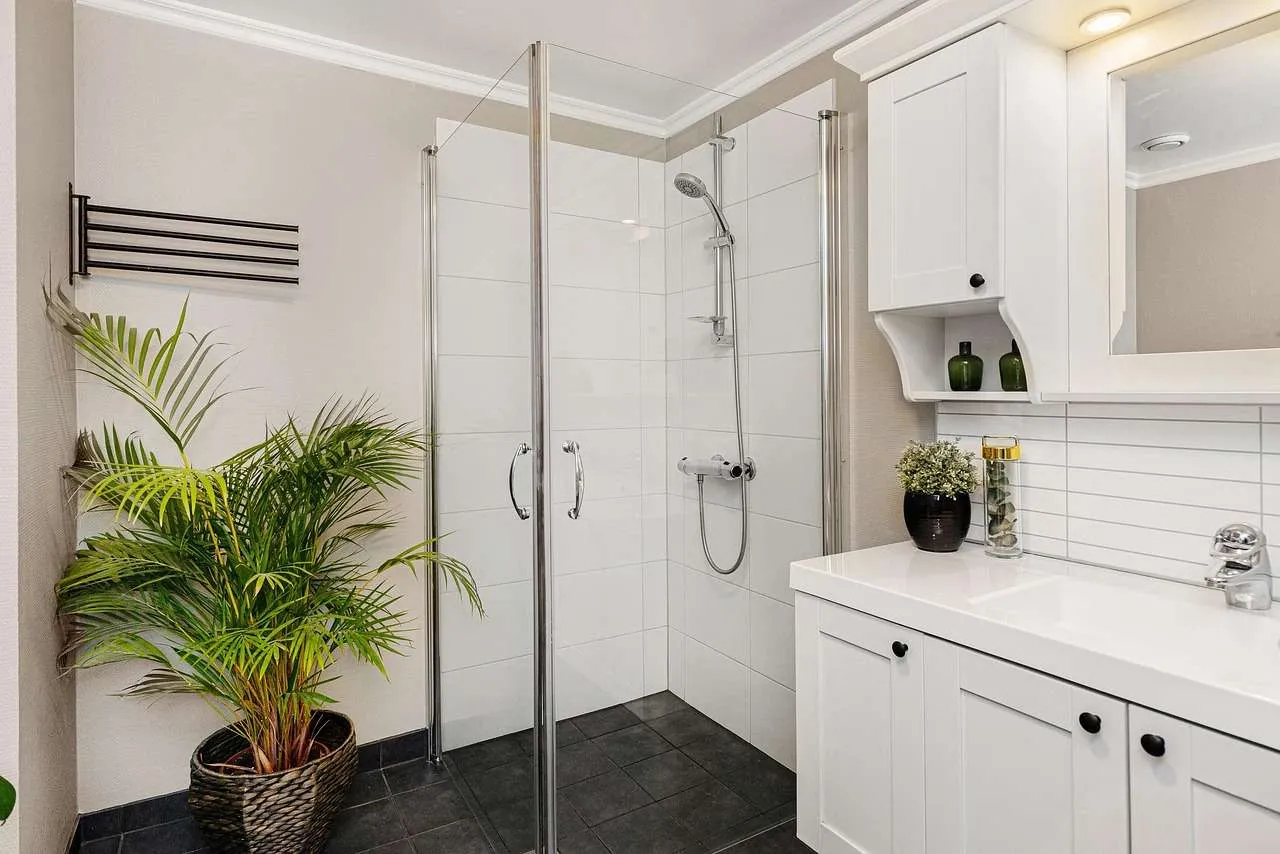
Efficient layouts maximize comfort. In small bathrooms, consider a door that swings outward or a pocket door to reclaim floor space. Place the sink and vanity away from the toilet to improve flow and accessibility. If you have space, a frameless glass shower enclosure visually expands the room and reduces visual clutter. For tight layouts, a corner vanity or wall-mounted storage keeps floors clear.
Lighting and finishes
Layered lighting matters: ambient ceiling lights, task lighting around mirrors, and soft accent lighting for evenings. LED strips under vanity cabinets or inside niches provide subtle depth without glare. Finishes should be moisture-resistant and consistent: brushed nickel, bronze, or matte black are popular for fixtures and hardware. Choose water-resistant wallpaper or paint with a satin or semi-gloss finish to simplify cleaning and maintain a fresh look longer.
Storage, fixtures, and accents
Smart storage keeps decor cohesive and avoids clutter. Recessed niches, wall-mounted vanities, and extra-tall towel ladders work well in larger baths, while baskets and slim medicine cabinets help small spaces stay organized. Choose fixtures sized to the space: compact toilets for powder rooms, and larger basins for main baths. Accessorize with plants, textures, and art that tolerate humidity.
Budgeting and sourcing
Plan a realistic budget and phase projects. Begin with core elements: vanity, faucet, shower, flooring, and lighting. Compare materials by durability, maintenance, and price. For a high-end feel on a mid-range budget, mix premium fixtures with economical tile choices and paint. Don’t overlook second-hand or reclaimed pieces that meet your standards and enhance character, as long as they comply with moisture requirements and code.
Comparison: Modern vs Classic bathroom decor
| Aspect | Modern | Classic |
|---|---|---|
| Aesthetic focus | Clean lines, uncluttered | Timeless symmetry, softer edges |
| Color palette | Neutrals with bold accents | Warm neutrals, subtle contrasts |
| Materials | Polished surfaces, glass, porcelain | Brass, ceramic, natural stone |
| Fixtures | Wall-mounted, minimal hardware | Freestanding or undermounts, traditional chrome |
| Storage | Hidden, integrated | Showcased cabinetry with decorative hardware |
| Maintenance | Low-maintenance finishes | Pronounced textures require care |
Maintenance and care
Durability begins with material choices and proper ventilation. Wipe surfaces regularly, seal natural stone, and maintain grout with annual cleaning. A humidity-safe exhaust fan reduces mold risk in all bathrooms and preserves decor finishes over time. Schedule periodic refreshes—refinishing a vanity, updating hardware, or regrouting—rather than a full renovation every few years to preserve investment value.
Social proof and expertise are also important. Consult licensed professionals for electrical, plumbing, and moisture-control work. Read reviews, verify licenses, and request portfolios to confirm experience with bathroom projects similar to yours. Pair this with trusted product warranties to ensure long-term reliability.
Summary: A well-executed bathroom decor plan balances cohesive style, durable materials, strategic lighting, and smart storage. By defining your style, choosing resistant finishes, planning layouts for flow, and budgeting wisely, you can achieve a bathroom that looks beautiful, stays functional, and remains timeless through seasonal updates.