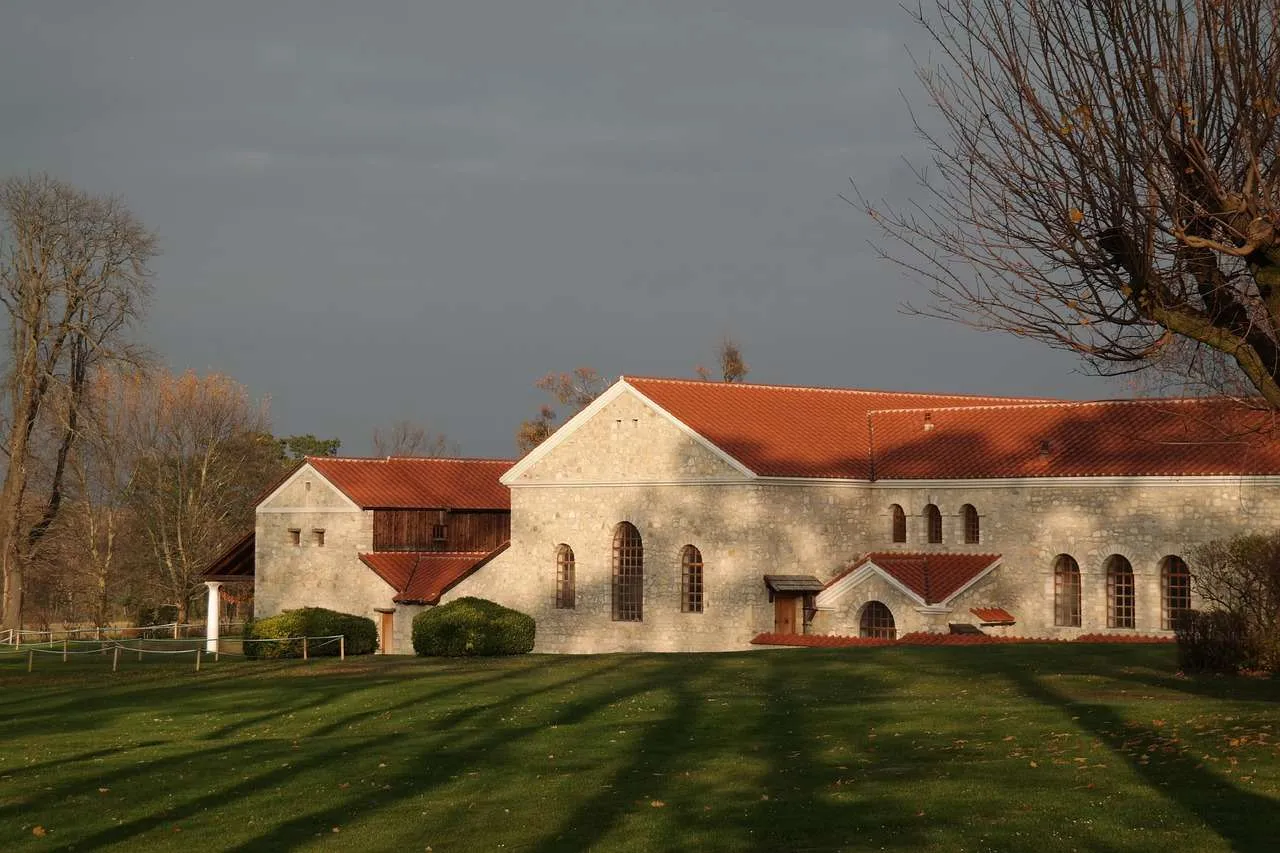
Introduction: Why roofing and roof repairs matter
Your roof is the primary shield protecting your home from weather, pests, and energy loss. When damage appears, timely roof repairs can save interiors from leaks, extend the life of the roof, and avoid costly replacements. This guide covers signs you need repairs, choosing between repair and replacement, how to hire qualified professionals, cost considerations, and maintenance practices that support long-term performance—delivered with an emphasis on experience, reliability, and proven methods that meet EEAT standards.
Recognizing the need for roof repairs
Being proactive can prevent small leaks from becoming large issues. Look for these common indicators:
- Missing or curled shingles and granule loss in gutters
- Water stains on ceilings or walls after rain
- Peeling paint or softened wood around eaves and soffits
- Daylight visible through attic rafters or strong attic air drafts
- Ice dams in winter and unusual attic temperature fluctuations
If you notice any of these, consult a licensed roofer for a thorough inspection. A professional assessment helps distinguish between minor roof repairs and issues that warrant replacement or more extensive work.
Repair options and what they involve
Roof repairs vary by material, age, and damage. Here are common scenarios and what to expect:
Minor shingle repairs
Replacing a few damaged shingles or correcting loose fasteners can stop leaks and restore the surface. This is typically the most affordable immediate fix.
Flashing, vent, and penetration fixes
Leaks around chimneys, vents, or skylights often come from worn flashing or sealant. Replacing flashing and resealing penetrations protects vulnerable areas and reduces recurring leaks.
Leak detection and temporary patches
In some cases, a temporary patch buys time while parts are ordered. A permanent repair should address the root cause and not just the visible leak.
When repairs are not enough
If the roof is near the end of its lifespan, widespread damage, or multiple essential components show wear (underlayment, decking, or structural rot), replacement may be the wiser long-term investment.
DIY vs professional roof repairs
Safety and quality are paramount. DIY repairs may save money for simple tasks like clearing gutters or resealing a small area, but most roof repairs require ladder work, fall protection, proper shingle replacement, and knowledge of ventilation and underlayment. A licensed contractor brings:
- Proper licensing and insurance coverage
- Access to quality materials and warranties
- Experience with specific roofing systems (asphalt, metal, tile, etc.)
- Code-compliant installation and thorough cleanup
How to choose a reputable roofing contractor
Selecting the right roofer protects your investment and ensures durable, code-compliant work. Consider these steps:
- Verify licensing and insurance, including workers’ compensation
- Review references and recent project photos; ask about material brands and warranties
- Obtain written, itemized estimates with a clear scope of work
- Check local consumer reviews and any complaint histories
- Confirm project timeline, cleanup plan, and final inspection
- Discuss rain delays, contingency plans, and permit requirements if needed
Trustworthy contractors offer transparent communication, detailed contracts, and after-service follow-up to ensure satisfaction and long-term performance.
Costs, maintenance, and planning for the long term
Cost ranges depend on roof size, materials, and extent of damage. While a small repair can run in the low hundreds, a full roof replacement typically ranges from several thousand to well above ten thousand dollars. Annual maintenance—such as inspections, minor repairs, and gutter cleaning—helps prevent major failures and preserves roof life.
| Option | What it covers | Pros | Cons | Typical cost range |
|---|---|---|---|---|
| Roof repair | Leaks, damaged shingles, flashing, vents | Lower initial cost, extends roof life | Potentially temporary if underlying issues exist | $300–$1,500 |
| Roof replacement | Full removal and new roof installation | Long-term solution with warranty | High upfront cost, disruption during installation | $5,000–$15,000+ |
| Maintenance/inspection | Annual checks, minor fixes | Prevents surprises, extends lifespan | Non-urgent; ongoing upkeep needed | $200–$600/year |
Maintenance checklist for homeowners
Simple, regular upkeep supports roof longevity:
- Inspect after heavy storms for missing shingles and broken flashing
- Clean gutters and downspouts at least twice a year
- Trim tree branches that overhang the roof to prevent damage
- Ensure attic ventilation is balanced to reduce heat buildup
- Schedule professional inspections every 3–5 years or as recommended by your contractor
Summary of key takeaways
For most homes, timely roof repairs address leaks and protect interior spaces, while repair quality hinges on competent professionals and appropriate materials. When damage is extensive or the roof’s remaining lifespan is short, replacement may be more cost-effective in the long run. Always vet contractors, obtain written estimates, and prioritize safety and warranties. Regular maintenance keeps roofing solid and reduces the need for frequent repairs.
Conclusion, a well-executed plan for roofing and roof repairs combines careful assessment, professional workmanship, and ongoing care, ensuring your home remains protected, efficient, and valuable for years to come.
Conclusion, this article has provided actionable guidance on recognizing damage, choosing between repair and replacement, selecting qualified roofers, understanding costs, and implementing a maintenance routine to maximize roof performance and home value.
Summary, this article has covered signs you need roof repairs, the range of repair options, how to hire trusted professionals, cost considerations, and practical maintenance tips to protect your investment and maintain long-term performance.